

there are too many people in my head!
on the voices we let in
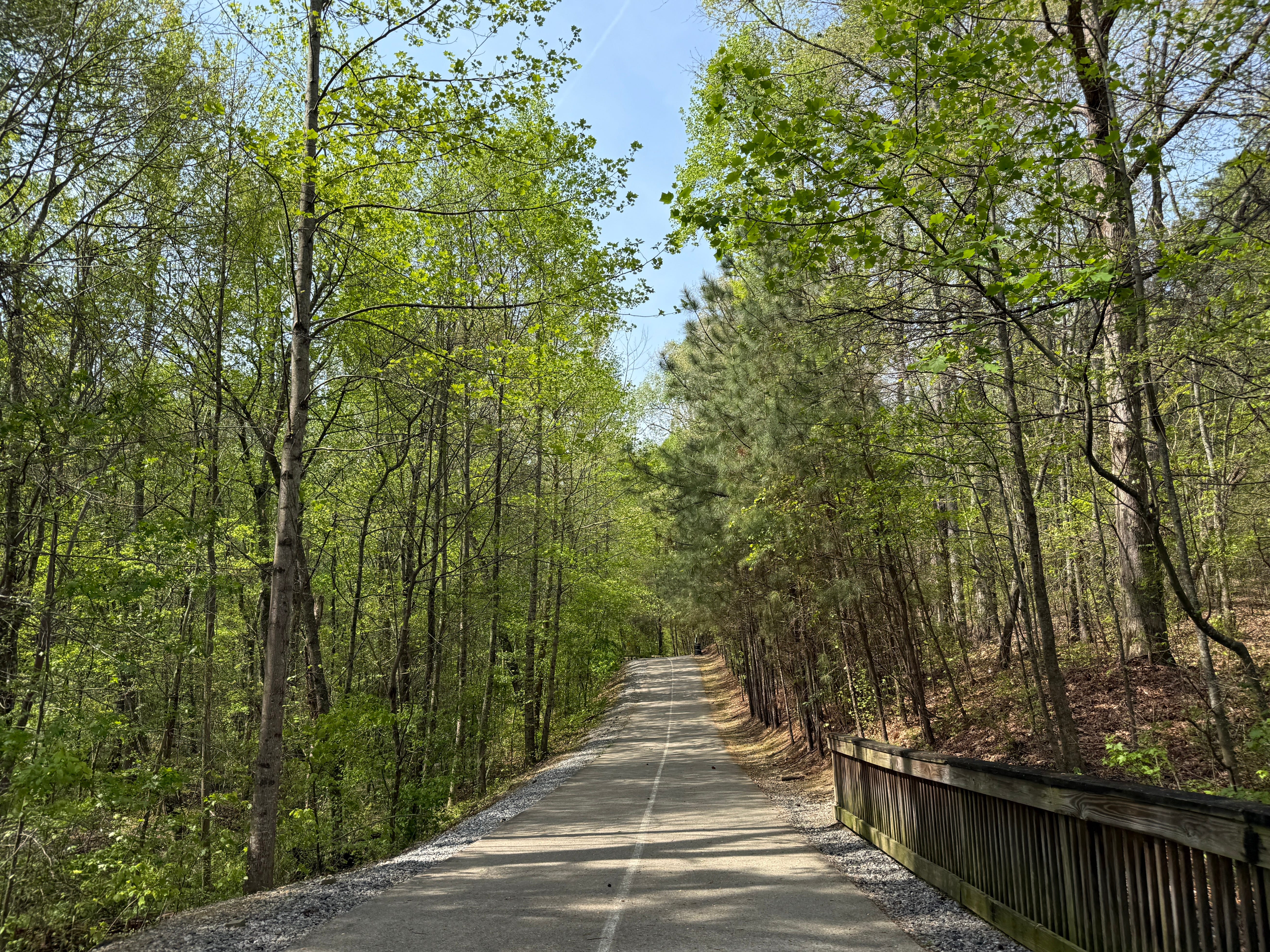
I spent this past week in the suburbs, taking some time off work to spend a few days with my parents. Among the lush green trees in Georgia, time moved slower. I’d wake up leisurely in the morning, go for walks on the greenway a short drive away, eat incredible food, and watch episodes of The West Wing. It was tranquil.
Yet, I couldn’t feel fully at peace. Even as I felt distant from the buzzing city in the North, from sirens that I had grown accustomed to, even as I listened to the uninterrupted bird songs. My mind still vibrated with an excess of thought: voices, thoughts, phrases bounced around my head.
At all times, my head surfaces random thoughts and phrases from songs, life, video games, conversations. As I write this, I hear Canadian PM Mark Carney say, “nostalgia is not a strategy,” I hear Bill Murray chanting “it just doesn’t matter” from an interlude on a Mac Miller song, Sufjan Stevens sing “Search for things to extol.” These are fun and sometimes interesting. Carney’s words shake me out of romanticizing the past, Murray adds rhythm to occasional feelings of nihilism, Stevens reminds me of beauty.
I was fine with these people in my head; they didn’t disturb my peace. What bothered me was the noise — TikToks from years ago, inane Reddit comments stating opinions as fact, AI-generated LinkedIn posts about SaaS sales, YouTube videos instructing me how to become “disgustingly productive.” Like a muffler-less motorcycle, this annoying, unattributable racket filled my head. What else was it doing to me?
In his book on communication technologies called Superbloom, journalist Nicholas Carr revives a quote from the poet John Jay Chapman:
People are not in general influenced by long books or discourses, but by odd fragments of observation which they overhear, sentences or headlines which they read while turning over a book at random or while waiting for dinner to be announced. These are the oracles and orphic words that get lodged in the mind and bend a man’s most stubborn will.
I knew this already. You know this already. There are the phrases that someone said to you on the playground that still shape you or lectures from your parents that were worthwhile. As logical and rational as we hope to be, we can’t control what our minds will fixate on, what will resonate for years after exposure.
In 1897, when Chapman wrote his piece, it would be strange for the words to come from anyone other than a published writer or someone you knew. You’d hear things from people in your town or the newspaper or an occasional novel. These people weren’t infallible, but there were few enough of these fragments that you could be discerning about what you wanted to pay attention to and what you didn’t.
You would have context about who they were to some degree, or at least their general vibe. You’d make a series of judgments to decide whether or not they’re someone worth listening to. If your first interaction with them is some sort of vicious insult or dismissive complaint about another person, you’d be unlikely to want to listen to them.
However, today, if their name was @lizardman97 and their comment had 12.2K likes at the top of an Instagram post, you’re making no such judgments. You’d only see the words appear out of nowhere, with little regard for their source. Maybe you’d read some of the replies, hit the tiny heart button next to it.
You could try and look at their alphanumeric name that would provide nearly no additional context, look at a thumbnail of a profile picture that could be an anime character or a grainy photo, and if you were really daring, you could visit their profile, equally likely to reveal no new information, or the fact that you nearly changed your opinion based on the statements of a 13-year-old. But why would you do that? This was just a stray comment, one of a million that you’d see in one day.
Sitting in my parent’s living room, overstimulated with “content” and unable to focus on the beautiful birds outside of the window, I wondered if my will was being bent, or simply eroded. I thought about the phrase “you are the average of the five people you spend the most time with,” pondered how the math changes when a million randos start taking up space in your brain at all times.
I thought about what I wanted to do with the little time I had to be off work and be with the people who loved me the most in the world. I needed to put my phone away.
One day, I suggested we drive 45 minutes to the part of town where all the Indian shops were. It used to be the only place to get Indian groceries in the Atlanta area, so we would drive to the neighborhood every weekend, going to one restaurant or another. We drove past restaurants that had closed down and re-opened as new restaurants. I marveled at the re-paved concrete that had once been filled with potholes, the renovated storefront of the Patel Brothers. I bought the kulfi that I would buy every weekend as a child. In the car, I played the *Jodhaa Akbar* soundtrack, remembering when we saw the movie in theaters nearly two decades ago.
Nostalgia isn’t a strategy. The kulfi tasted worse than I remembered, but the music was better than I remembered. We talked about how our weekends used to be, about how the newer Indian grocery near the house was much nicer.
At home, it was quiet. Across the lawn hopped an American robin. The wind washed through the trees like an ocean wave.
💧 Drops of the Week 💧
ALBUM - Jodhaa Akbar by AR Rahman - truly so good
POEM - “Lantern Flies” by Maya C. Popa - How beautiful they otherwise / could have seemed
Such a beautiful ending. My brain has been so noisy lately and I wonder what it’s taking away from me. Hope there is a consistent fix for this